
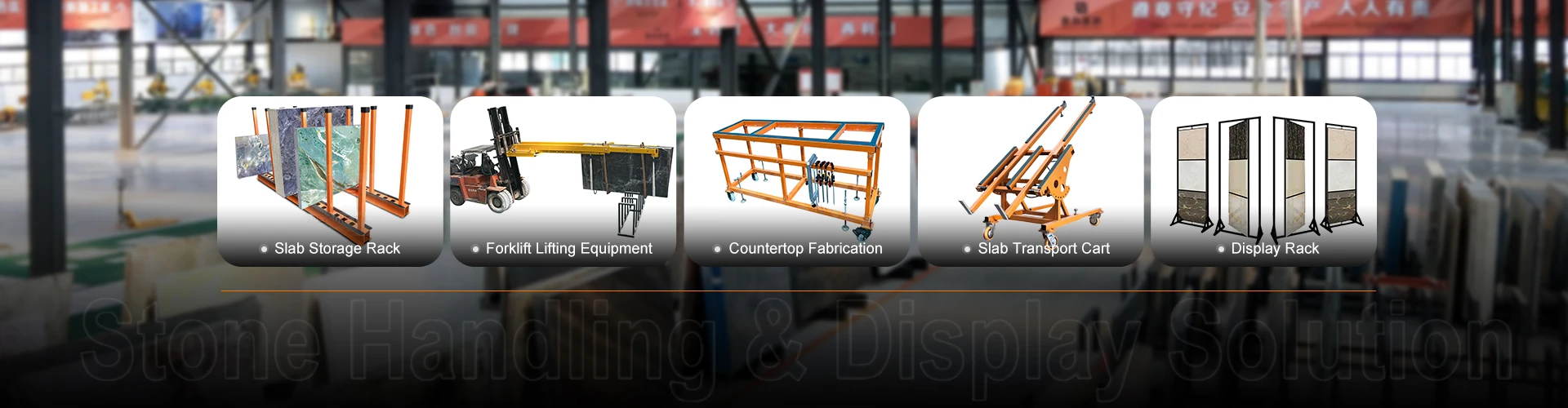
Safer Storage Starts with the Right Rack and Layout
Match slab storage equipment to the material dimensions, load, rack position and handling access available in the warehouse.

Build the Storage Setup Around Four Factors
Rack selection works best when the load, storage method, equipment access and surrounding space are considered together.
Define the Load
Confirm slab dimensions, weight and storage quantity.
Select the Rack Type
Choose a storage format suited to the intended use.
Plan the Layout
Allow suitable approach and working space around the rack.
Match the Handling Method
Consider how the slab will be loaded and removed.
Storage Arrangement Affects Slab Access
Rack position and loading direction influence how lifting equipment approaches the stored material. The arrangement should reflect the slab sizes and handling method used at the site.
- Slab dimensions and thickness
- Maximum slab or bundle weight
- Quantity stored on each rack
- Loading and retrieval direction
- Available lifting equipment

Storage Conditions to Review Before Selecting a Rack
Slab Size
Rack dimensions need to suit the material being stored.
Maximum Load
The intended load is a basic requirement for equipment matching.
Storage Quantity
The number of slabs affects the required rack arrangement.
Loading Direction
Rack orientation needs to suit the intended lifting approach.
Working Clearance
Handling equipment needs enough room to approach and withdraw.
Operating Environment
Indoor or outdoor conditions can be considered during equipment selection.
Choose the Storage Method for the Application
| Storage Situation | Equipment Type | Selection Factors |
|---|---|---|
| Temporary slab holding | A-frame rack | Slab size, load, loading direction and available space |
| Main slab storage | Stone slab storage rack | Storage quantity, dimensions, load and retrieval method |
| Material beside a work area | A-frame or staging rack | Load, available floor space and lifting access |
| Material prepared for transport | Transport rack or A-frame | Load, forklift access and intended transport method |

Match the Rack to the Material
The suitable configuration depends on slab dimensions, maximum load, storage quantity and the available storage area.
Slab & Load
Confirm dimensions, thickness, weight and storage quantity.
Site Conditions
Consider available floor space, lifting method and operating environment.
Allow Working Space Around the Rack
Storage capacity is only one part of the layout. The equipment used to load and retrieve slabs also requires suitable approach and working clearance.
Existing Warehouse
Warehouse drawings, aisle dimensions and photos can help define the available space for a rack layout.


Match the Retrieval Method to the Storage Setup
The rack and the equipment used to remove slabs need to work together within the available operating space.
- Forklift or lifting equipment capacity
- Fork dimensions where relevant
- Crane or hoist arrangement
- Clamp or lifting attachment access
- Required pickup position
- Available working clearance
Before Loading or Retrieving Slabs
Before Loading
- Confirm the rack suits the intended load
- Review the rack and support surfaces
- Keep the loading area available
- Use the intended loading direction
Before Retrieval
- Use handling equipment suited to the load
- Keep the approach area available
- Confirm the slab position before movement
- Review the intended pickup and transfer position
Recommended Equipment for Slab Storage
Choose the rack type around slab dimensions, load, storage quantity and the intended handling method.
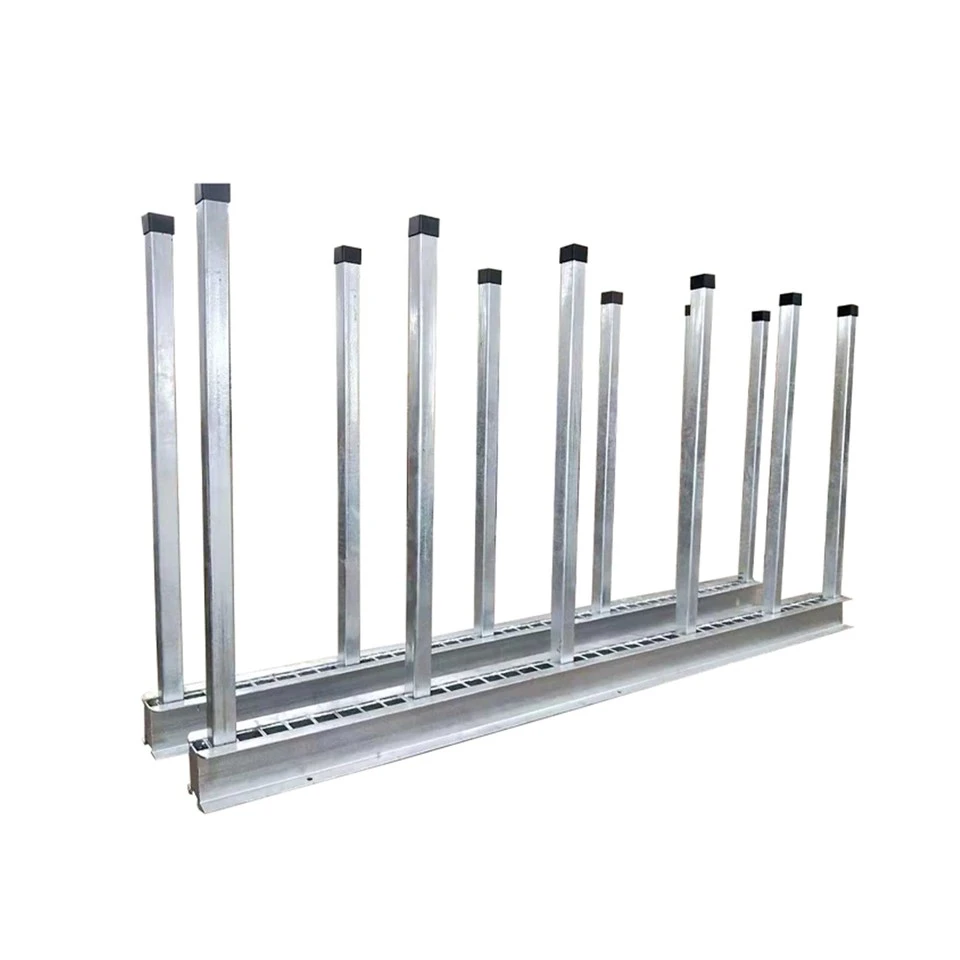
Galvanized Stone Slab Rack
For slab storage where material dimensions, load, quantity and retrieval access are considered as part of the rack setup.
View Product →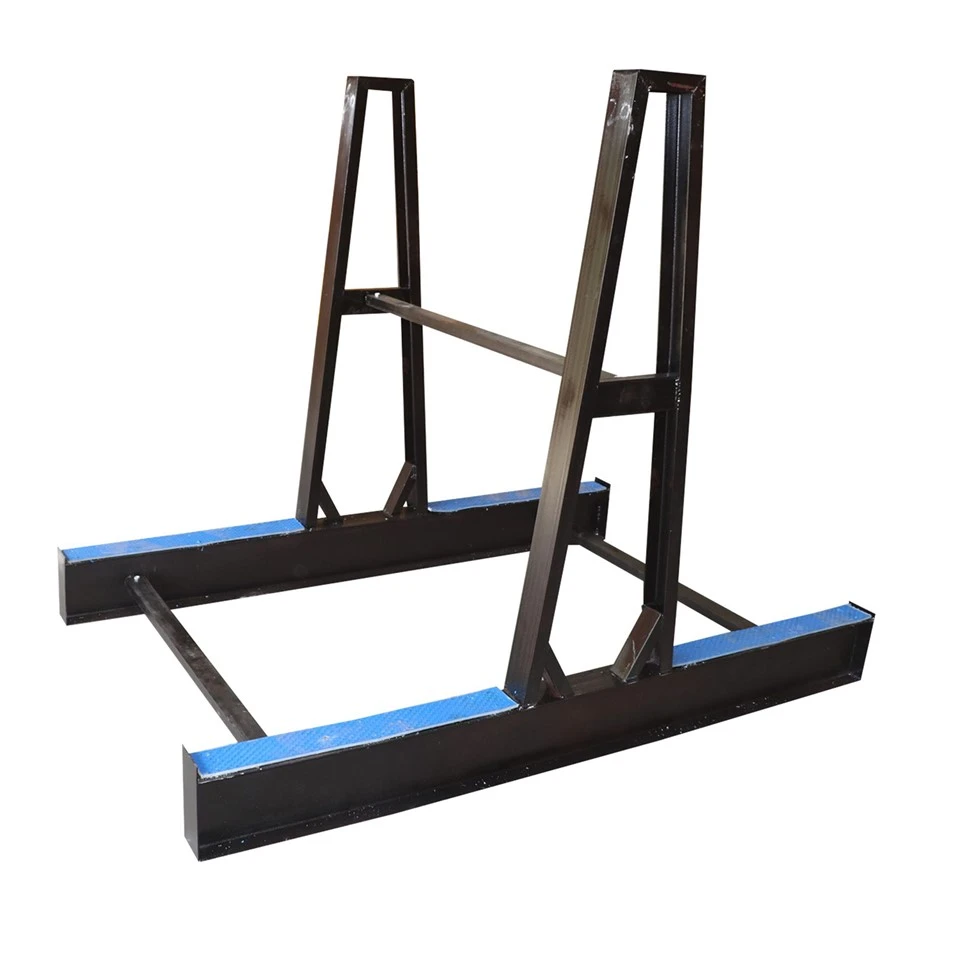
Steel A Frame Rack
For slab holding and storage where loading direction, available space and handling access fit an A-frame arrangement.
View Product →Slab Storage & Warehouse FAQ
Compare slab dimensions, load, storage quantity, loading direction and available space.
Material type, slab dimensions, thickness, maximum weight and storage quantity are useful starting points.
The required clearance depends on slab size, rack orientation, lifting equipment and the intended loading and retrieval method.
The arrangement depends on the dimensions, weight and rack configuration used for each slab group.
Provide the operating conditions, slab data, storage quantity and handling method when reviewing the rack configuration.
Send Your Slab and Storage Details
Share your slab dimensions, load and storage conditions for a suitable rack recommendation.
Please Include
- Slab material and dimensions
- Maximum load
- Storage quantity
- Available storage area
- Rack loading direction
- Forklift, crane or hoist information
- Indoor or outdoor use
- Destination country